Bamboo Straw Safety: Hot & Cold Beverage Performance
- Share
- publisher
- Eternity
- Issue Time
- Nov 27,2025
Summary
Audit the thermal stability and food-grade safety of bamboo straws for professional service. Click to get the safety report!
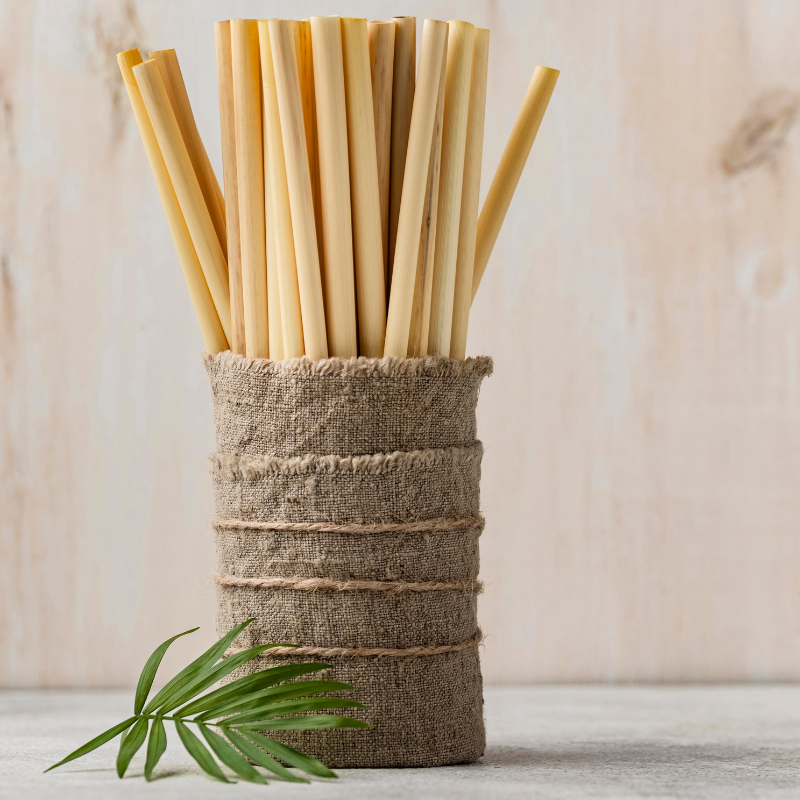
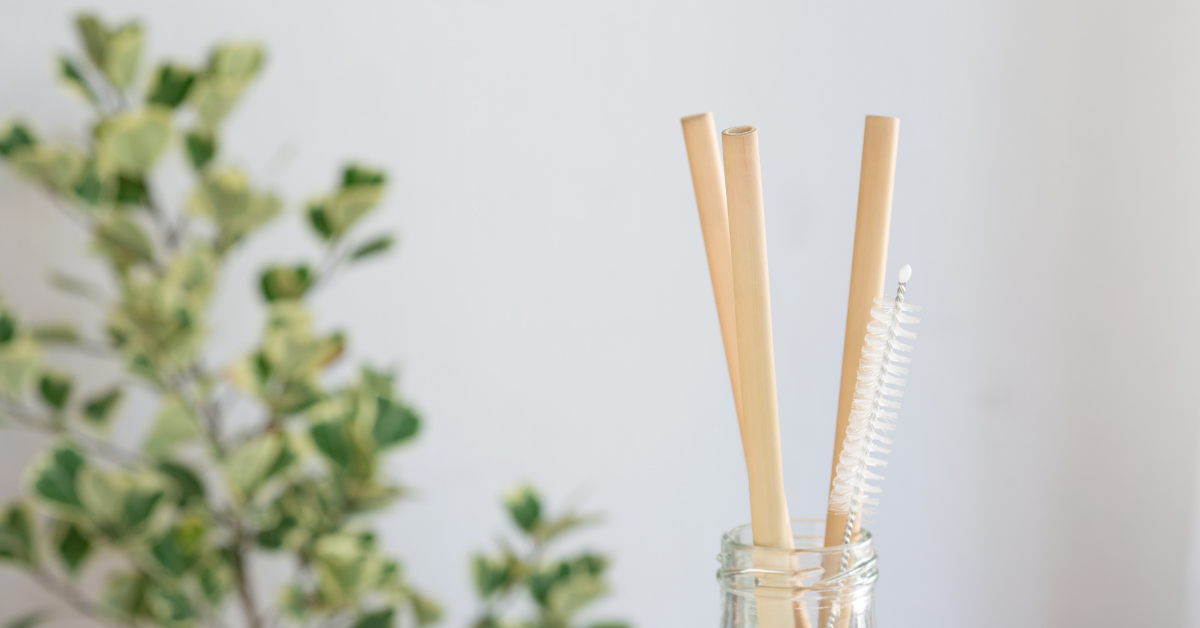
Safety by Design: The Technical Performance of Bamboo Straws in Professional Service
In the global hospitality industry, a straw's safety is defined by two critical engineering metrics: thermal stability and microbiological integrity. For procurement teams, switching to bamboo is not merely an aesthetic choice—it is a strategic move toward ensuring a resilient, hazard-free guest experience that traditional plastic or inferior paper alternatives cannot guarantee. As local plastic bans expand, this technical audit explores why industrial-grade bamboo straws are the superior choice for high-volume enterprise operations, from steaming lattes to iced bubble teas.
1. Engineering for High-Temperature Resistance (Up to 100°C)
A primary risk in cafe and restaurant service is material degradation under heat.
Non-Warping Structural Integrity:
Bamboo fibers maintain their crystalline structure at temperatures that cause PLA or bioplastics to soften. This ensures the straw will not collapse or release odors in hot coffee or herbal infusions.
The Natural Insulation Advantage:
Unlike stainless steel straws, which conduct heat rapidly and pose a burn risk to lips, bamboo is a natural thermal insulator. It remains neutral to the touch, providing a safer experience for children and high-traffic catering environments.Zero-Leach Material Safety:
Professional-grade bamboo straws are manufactured without the chemical glues found in multi-layered paper straws. Under heat, they remain chemically inert, ensuring no synthetic residues migrate into the beverage—a vital factor for food safety compliance.2. Cold Durability and Functional Reliability
In the iced beverage sector—including high-viscosity smoothies—structural endurance is paramount for customer retention.
24-Hour Anti-Soggy Performance:
While paper straws typically fail within 20 minutes in cold liquids, bamboo remains rigid for over 24 hours. This makes it the only viable sustainable option for slow-consumption takeaway drinks and long-haul delivery.The "Jumbo" Boba Standard:
Bamboo boba straws are engineered with specific wall thickness and reinforced fibers to puncture seals and handle heavy toppings without bending or cracking under high suction.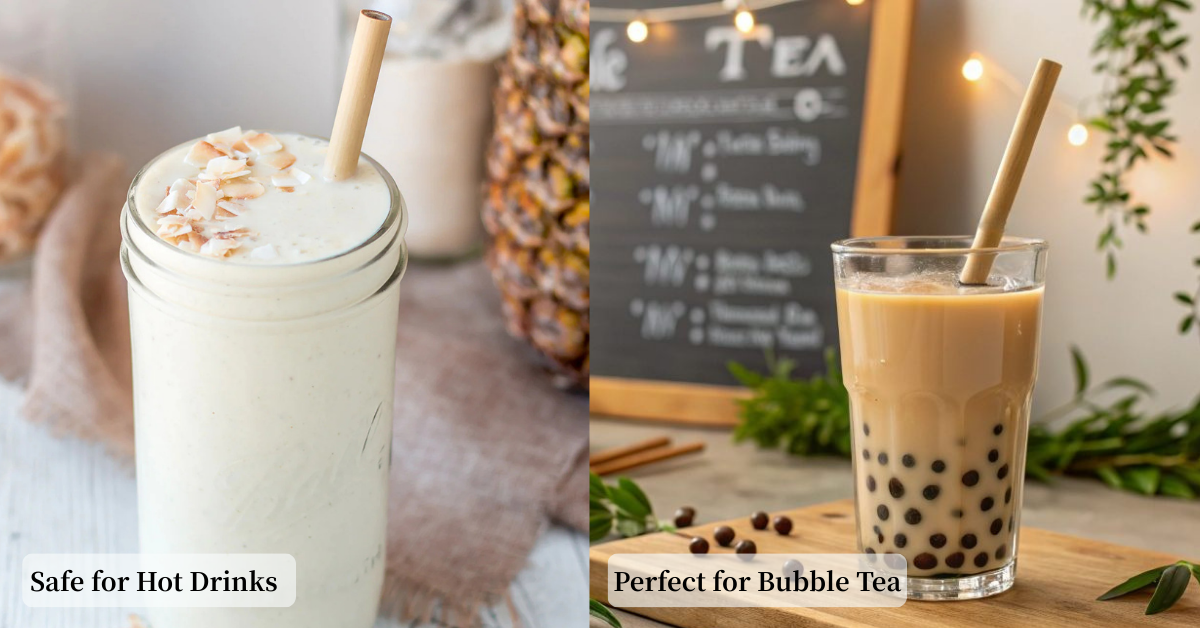
3. Advanced Microbiological Defense & Hygiene
Hygiene is a non-negotiable industrial standard. QL implements a "Zero-Barrier" safety protocol to eliminate biological risks:
Thermal Sterilization Protocol:
Every batch undergoes high-pressure steam treatment, ensuring the straws are 100% free from pathogens and pests without using toxic chemical bleaches.Precision Surface Polishing:
Multi-stage mechanical finishing achieves a glass-smooth surface. This prevents micro-shards from entering the drink and ensures no bacteria can become trapped in microscopic fiber crevices.Neutral Sensory Profile:
Our curing process removes natural bamboo resins, ensuring the straw provides a neutral mouthfeel that doesn't alter the complex flavor profile of specialty cocktails or artisan coffees.4. Procurement ROI and Supply Chain Compliance
Partnering with an experienced manufacturer like QL simplifies global supply chain audits:
Global Regulatory Alignment:
Our straws are designed to meet FDA and EU food-contact standards, helping your business bypass "plastic taxes" and environmental fines.Inventory Stability:
High-density bamboo is more resistant to the humidity issues that cause paper straw stock to warp in warehouse storage, significantly reducing your inventory loss and spoilage costs.Brand Value Add:
Utilizing custom-engraved bamboo straws signals a commitment to quality that justifies premium pricing and builds guest loyalty in competitive markets.Strategic Safety Audit Table
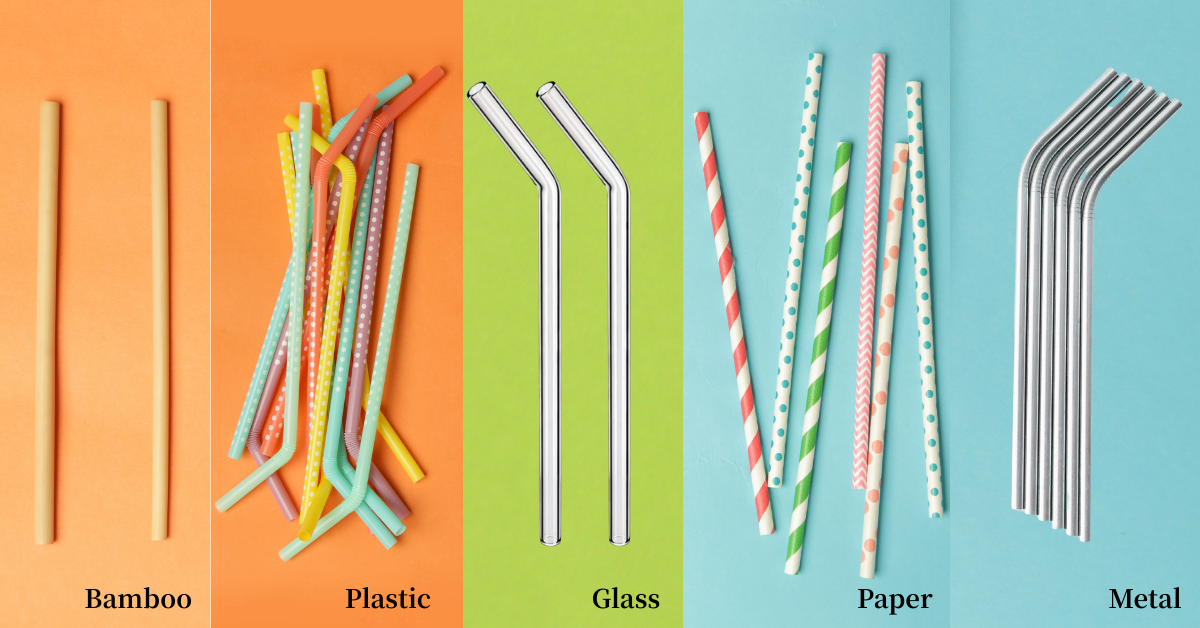
Feature / Benefit | Bamboo Straws | Plastic Straws | Paper Straws | Metal Straws | Glass Straws |
Eco-friendly | 100% biodegradable | Not biodegradable | Biodegradable | Reusable but energy-heavy | Recyclable but fragile |
Safe for Hot Drinks | Heat-stable, no toxins | May leach chemicals | Safe but softens | Gets too hot to touch | Safe but fragile |
Durability in Use | Strong & long-lasting | Durable but polluting | Gets soggy & collapses | Very durable | Breaks if dropped |
Comfort in Mouthfeel | Smooth, natural texture | Neutral but plasticky | Rough when wet | Hard, metallic | Smooth but rigid |
Ideal for Thick Drinks (Boba, Smoothies) | Excellent | Often too soft/weak | Collapses easily | Good | Good but fragile |
Child-Friendly | Safe & lightweight | Safe but not eco | Safe but soggy | Hard edges, temp shock | Breakable (risky) |
Travel-Friendly | Lightweight, durable | Disposable | Disposable but weak | Heavy & noisy | Easily broken |
Taste Experience | Neutral natural taste | Plastic taste possible | Paper taste common | Slight metallic taste | Neutral |
Cleaning Needed | Low (disposable options) | None | None | High | High |
Secure Your Beverage Standards
Don't let an inferior straw undermine your service quality. We provide the technical data and verified performance samples you need to make an informed procurement decision.
Request an Enterprise Safety Report: View our third-party food-contact certifications and technical specs.
Order a Performance Kit: Conduct your own temperature-controlled stress tests for hot and cold menu items.
Consult on Custom Logistics: Speak with our team about global shipping and custom packaging for your chain.