The 110mm Choice: Why Global QSRs Standardize on Bamboo Coffee Stirrers
- Share
- publisher
- Eternity
- Issue Time
- May 15,2026
Summary
Looking for bamboo coffee stirrers? Learn why 110mm is the global QSR standard. Shop premium bulk stirrers today!
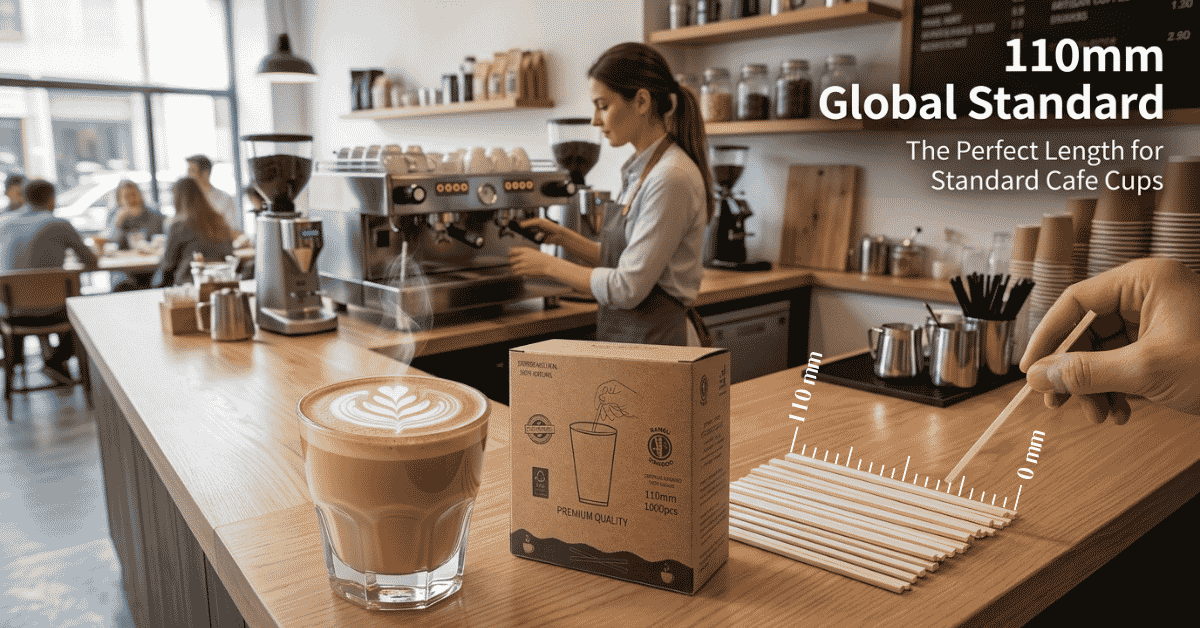
Walk into any Starbucks, Costa, or major coffee chain across three continents, and you'll notice something consistent: the coffee stirrer sitting next to the sugar packets is almost always 110mm long and increasingly likely to be bamboo, not wood or plastic.This isn't a random choice; it's the result of supply chain optimization and rigorous operational testing.
As a supplier to QSR chains across 23 countries, we've seen how this specific standard solves problems that only appear when serving 500+ drinks daily.
The 110mm Standard: Why This Length?
It's about cup compatibility, not random numbers. The 110mm length (roughly 4.3 inches) emerged as the sweet spot for standard coffee cup sizes worldwide.Most disposable coffee cups fall into these ranges:
Small: 8-12 oz (240-355ml)
Medium: 12-16 oz (355-475ml)
Large: 16-20 oz (475-590ml)
A 110mm stirrer reaches the bottom of all three sizes while leaving enough handle extending above the cup rim for customers to grip comfortably. Not just barely reaching—genuinely reaching with clearance.Compare to other lengths:
100mm stirrers: Just barely reach the bottom of 16oz cups, awkward for anything larger. Customers' fingers get too close to hot liquid when stirring.
120mm stirrers: Work fine functionally, but that extra 10mm means more material cost, more packaging space, and longer stirrers that customers often break or bend to fit in their pockets or purses.
110mm hits the Goldilocks zone: Long enough for all standard cups, short enough to be economical and portable.
The Global Standardization Effect
Once McDonald's standardized on 110mm globally in the mid-2010s, everyone else followed. Not because of blind copying, but because standardization creates massive supply chain advantages. When every major coffee chain uses the same length, manufacturers can achieve economies of scale that simply don't exist for odd sizes.
Why Bamboo is Replacing Wood and Plastic
The Compliance Pivot
While the EU (2021), Canada (2022), and various U.S. states banned plastic stirrers, chains needed a single material that worked everywhere.
The Advantage Over Wood
Wooden stirrers have been the default for decades, but three factors are driving the switch to bamboo:
1. Structural Consistency: Wood grain varies wildly, leading to warping and splintering. Bamboo fiber is naturally more uniform, providing a predictable customer experience.
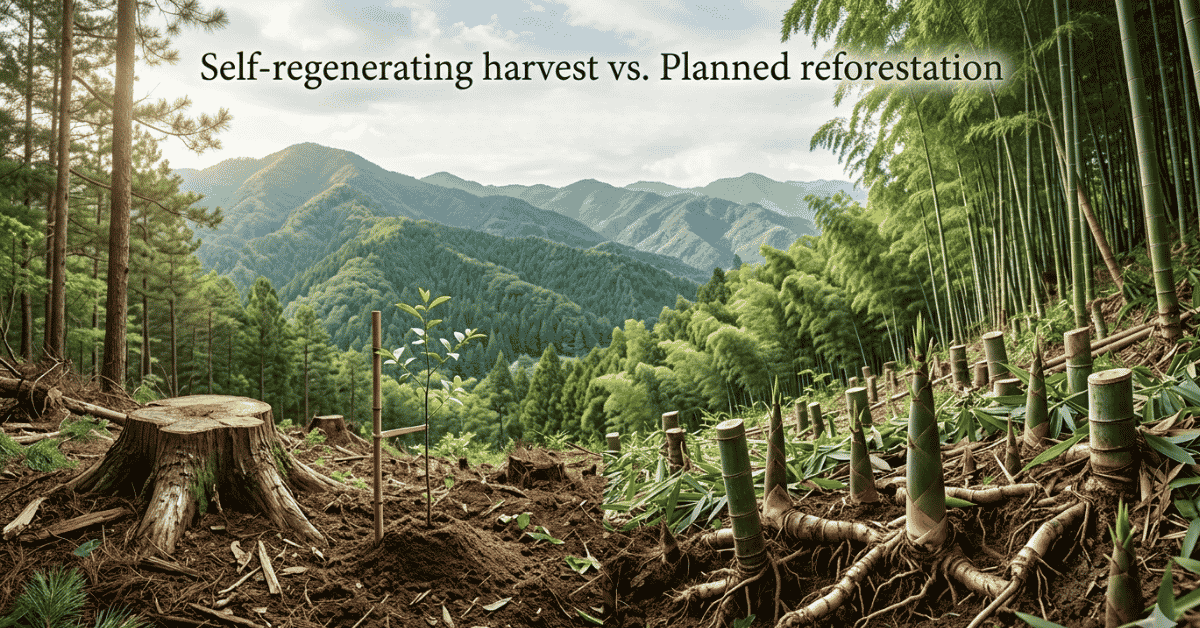
2. A Clearer Sustainability Story: Trees take 20+ years to mature; Moso bamboo takes just 3-5. For global brands, the "rapidly renewable" narrative is easier to defend under ESG scrutiny.
3. Operational Resilience: Bamboo's naturally lower moisture content (10-12% vs. wood's 15-20%) means it won't warp when stored next to steaming espresso machines.
| Feature | Wooden Stirrers | Bamboo Stirrers | Business Impact |
| Growth Cycle | 20 - 30 Years | 3 - 5 Years | Stronger ESG 、Sustainability profile |
| Moisture Content | 15% - 20% | 10% - 12% | Prevents warping near steam machines |
| Surface Finish | Single polish; prone to splinters | Double Polished | Protects brand reputation & customer safety |
Structural Strength | Softwood fiber; snaps easily | High-Density Fiber; Rigid | Easily mixes thick syrups & cold foams |
Waste Rate | due to defects | Less than 2% | Reduces hidden procurement costs |
Regulatory Status | Global compliance; high carbon | Global compliance; low carbon | Ideal plastic-ban replacement |
Hidden Operational Gains
In high-volume environments, the material's physics impact the bottom line:
Splinter Resistance:
Bamboo's long-fiber structure makes it significantly less prone to splintering than common softwoods. One QSR partner reported an 87% drop in splinter-related complaints after switching to bamboo.Stir Strength:
Bamboo is denser than wood. A thin bamboo stirrer maintains its rigidity when mixing viscous syrups or thick cold foam, whereas wooden alternatives often bend or snap.The Quality Variables That Matter
Not all 110mm bamboo coffee stirrers are equal. The difference between "budget" and "premium" shows up in your operation:
Age of Harvest: We use 4-5 year Moso bamboo. Younger bamboo is too flexible; older bamboo becomes brittle.
The "Middle-Cut" Rule: We only use the middle third of the bamboo culm. This ensures the uniform density required for food-grade bamboo stirrers.
Double Polishing: A 10-minute dry polish followed by a food-grade compound finish ensures the stirrer feels silky and won't release micro-fibers into hot coffee.
Moisture Control: We strictly maintain a 10-12% moisture level. This is the critical threshold that prevents mold while ensuring the stirrer doesn't become brittle.

The Real Cost for High-Volume Buyers
Premium bamboo stirrers may cost 15-20% more per unit than basic wood. However, when you factor in waste and operational risk, the math changes:
Wooden Stirrers:
Lower entry price, but often suffer a 10-15% waste rate due to warping, splintering, or breakage.Bamboo Stirrers:
Higher entry price, but <2% waste rate and zero brand risk from splinters.One major chain found that after accounting for waste and complaint handling, the true cost difference was less than 5%—a small price for a superior sustainability story.
Implementation: Lessons from Global Rollouts
If you are looking at wholesale bamboo coffee stirrers for a large-scale operation:
Test in Situ:
Don't just look at samples on a desk. Place them in the humid environment of your beverage station for a week.Tighten Your Specs:
Don't just order "bamboo stirrers." Specify Moso bamboo, 4-5 year harvest, and double-polishing in your contracts.Communicate the Change:
Proactively tell your customers why you switched. The sustainability "win" only happens if they know about it.The Bottom Line
At QL , we specialize in the 110mm standard because that's where global efficiency lives. We've optimized our entire production line—from forest management to infrared quality scanning—around this one specification.
In a high-volume business, a stirrer isn't just a stick; it's a tiny detail that either supports or undermines your brand 500 times a day.
Ready to upgrade your beverage service? Contact us for a sample kit manufactured to true QSR specifications—the actual standards demanded by the world's leading coffee chains.
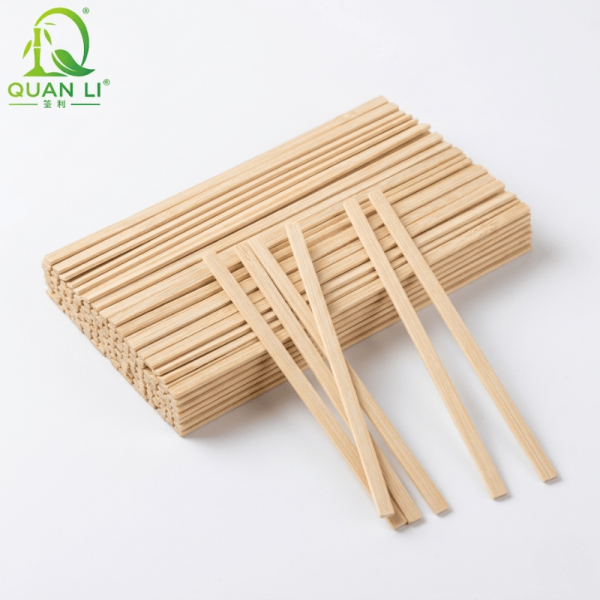
Wholesale eco-friendly bamboo coffee stirrers. Splinter-free, sturdy, and 100% biodegradable. Custom logo & bulk supply.
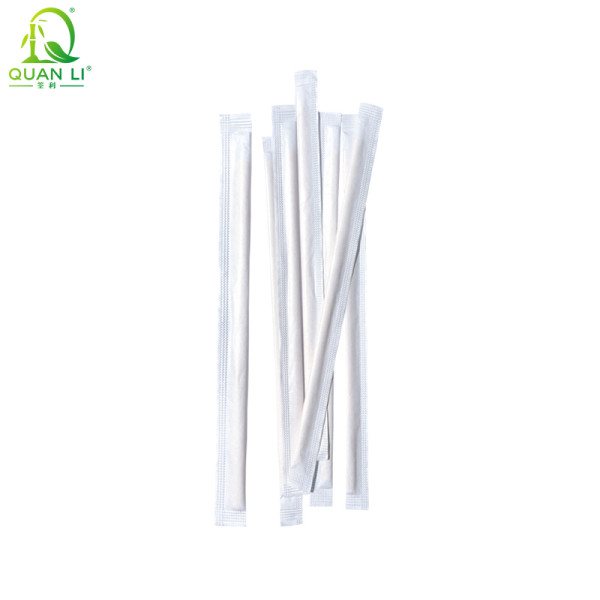
Wholesale hygienic wrapped bamboo coffee stirrers. Individual paper sleeves, custom logo support, and 100% biodegradable.
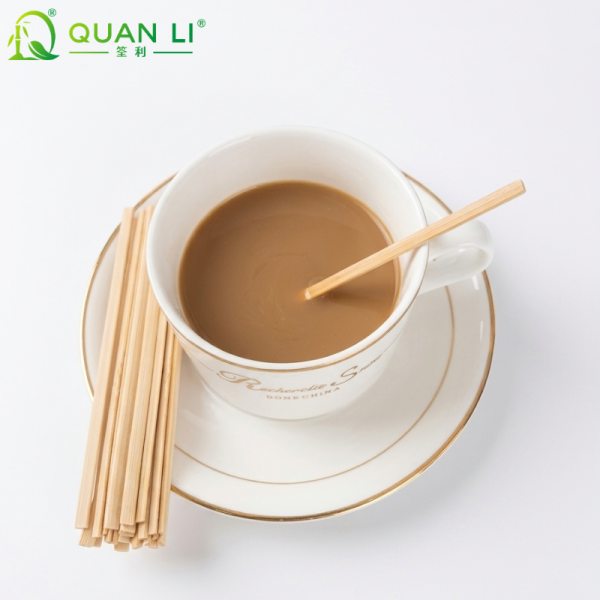
Premium 110mm natural bamboo coffee stirrers. Smooth and sturdy. Factory-direct wholesale for cafes and distributors.