What Are the Advantages of Bamboo vs. Wood Chopsticks?
- Share
- publisher
- QL Bamboo
- Issue Time
- Oct 16,2025
Summary
Why bamboo chopsticks beat wood on sustainability, durability, weight, design and cost — a practical guide for Bamboo Chopstick Wholesale buyers.
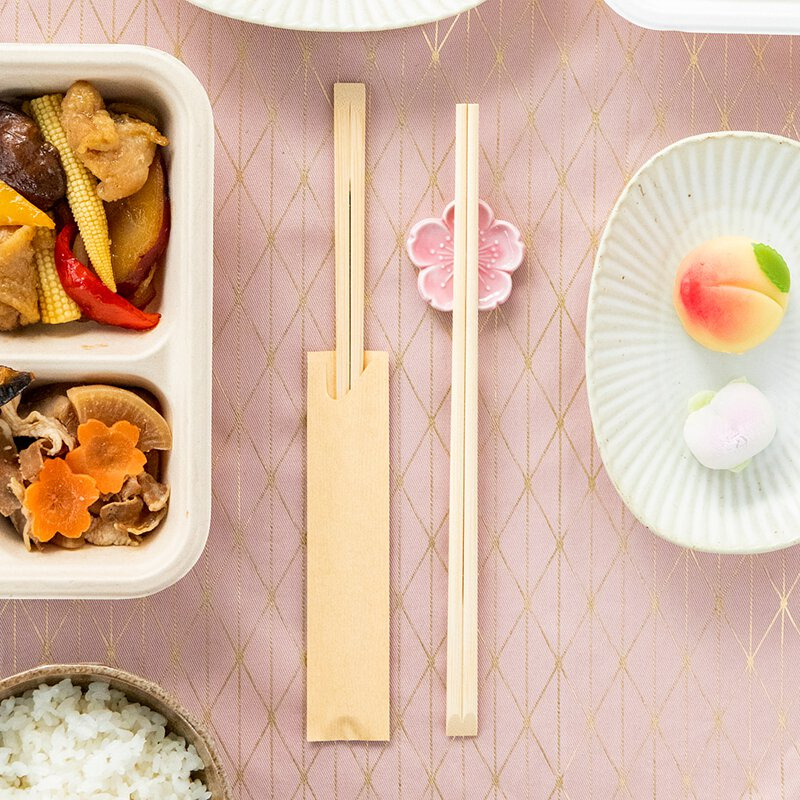
What Are the Advantages of Bamboo vs. Wood Chopsticks?
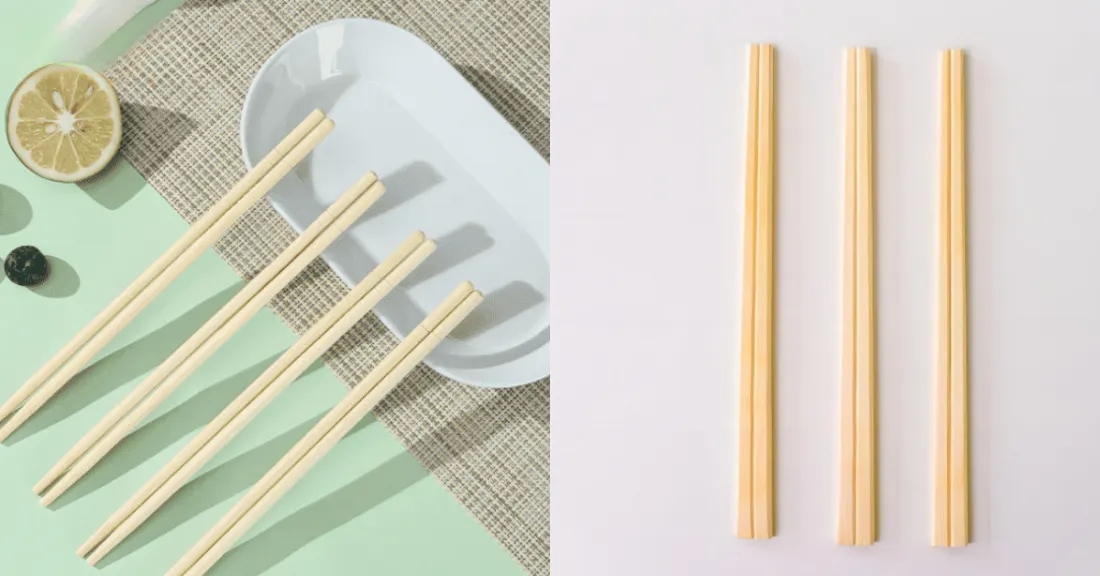
For most buyers bamboo chopsticks are the better default. Bamboo reaches harvest size in roughly 3–5 years instead of decades, it is lighter in the hand than dense hardwoods, and it is less porous, so it resists moisture and mould better when it is dried and stored properly. It also machines easily, which keeps laser engraving, custom tips and printed sleeves practical. Wood keeps one advantage: some hardwood species feel heavier and hold a lacquered finish longer, which matters for premium reusable sets.
Bamboo vs. wood chopsticks at a glance
| Factor | Bamboo chopsticks | Wooden chopsticks |
|---|---|---|
| Time to harvest | About 3–5 years, and the stand regrows from the same root system without replanting | Decades for most hardwoods, and replanting is required |
| Weight and handling | Light for its strength, so it stays comfortable through a long meal | Depends on the species: denser and heavier, or softer and weaker |
| Moisture and mould | Less porous than most woods, so less prone to mould and bacteria once dried correctly | More vulnerable to mould and bacterial build-up when left damp |
| Branding options | Machines and engraves easily: custom tips, ridges, laser logos, printed sleeves | Harder woods machine more slowly and engrave less cleanly |
| Wholesale cost | Fast-growing and widely available, so unit cost is usually lower and more stable | Cost follows hardwood supply, which fluctuates more |
1. Sustainability & Environmental Impact
Rapid renewability
2. Durability & Longevity
Natural strength and stiffness
Resistance to bacterial growth and mold
Wear & tear under use
3. Weight & Handling
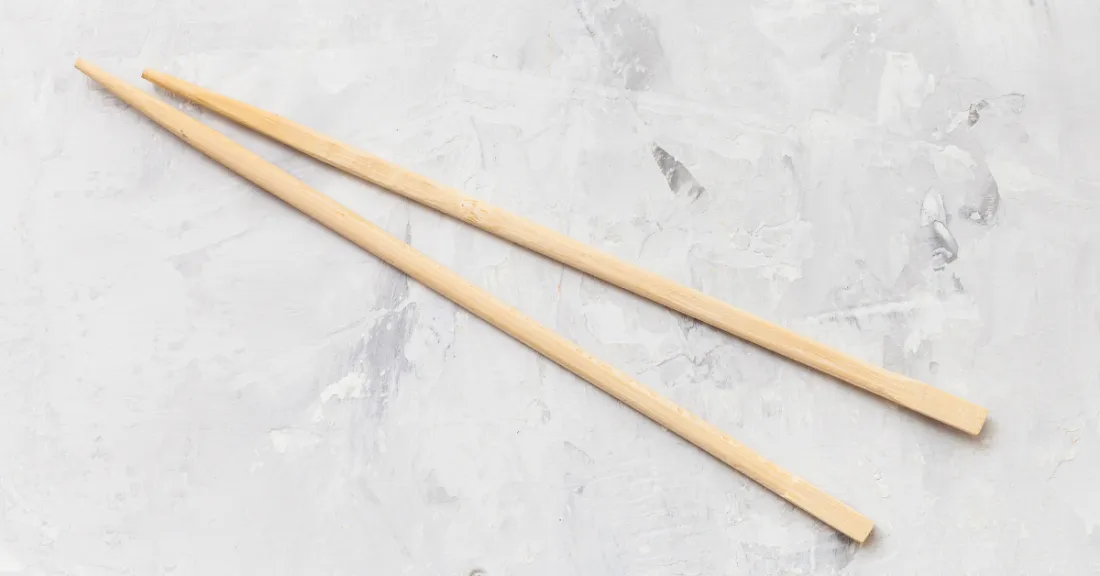
4. Aesthetics, Design & Customization
Natural appearance & grain
Design flexibility
Branding & customization
5. Cost Efficiency & Scalability
Raw material cost and availability
Manufacturing efficiency
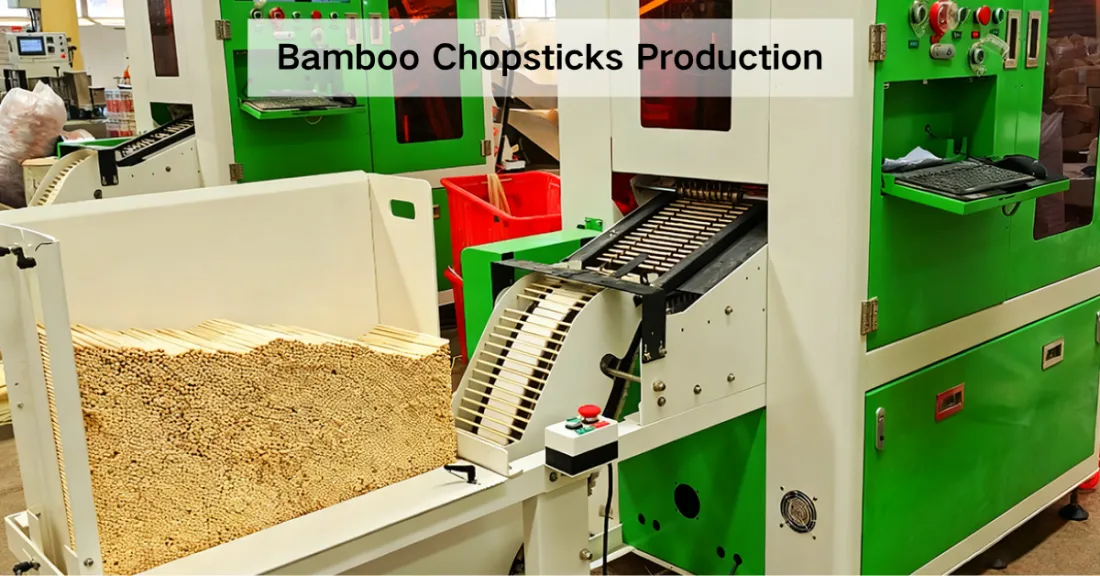
The relative softness (compared to hardwood) and workability of bamboo mean that machining, cutting, and finishing steps may require less energy or tool wear. This can reduce manufacturing cost, which is especially important for high-volume products like disposable chopsticks.Economies at scale
Total cost over lifetime
6. Environmental & Branding Advantages
Marketing and brand value
Consumer trends
Regulatory & social pressures
Conclusion
What buyers should verify before ordering
Choosing the material is only the first half of the decision. What protects your brand later is the documentation behind the shipment, so ask suppliers for these four things by name.
- Responsible sourcing — FSC®. QL holds FSC® certification, which confirms that the bamboo in the supply chain comes from responsibly managed sources. Read the standard at the Forest Stewardship Council.
- EU food contact — Regulation (EC) No 1935/2004. This is the framework behind every food-contact claim inside the EU, so ask for test data that maps to it. The European Commission food-contact pages.
- Germany — LFGB. German buyers normally ask for LFGB test reports, which is why LFGB appears on QL’s bamboo chopstick documentation. The German Food and Feed Code.
- United States — FDA food-contact rules. For the US market the relevant provisions sit in 21 CFR Part 174 on indirect food additives. See eCFR Title 21 Part 174.
QL documents its bamboo skewer, coffee stick, chopstick and toothpick lines under FSC, LFGB, SGS and FDA, and the reports are issued for the specific product rather than for a general category. Before you approve a purchase order, ask for the report that names your item, your market and a current date.
Frequently asked questions
Are bamboo chopsticks better than wooden chopsticks?
For most buyers, yes. Bamboo reaches harvest size in about 3–5 years instead of decades, it is lighter in the hand than dense hardwoods, and it is less porous, so it resists moisture and mould better when it is dried and stored correctly. Wood remains a reasonable choice for premium lacquered reusable sets, where a heavier and denser feel is part of the product story.
Do bamboo chopsticks last as long as wooden ones?
Under normal use and proper care, treated bamboo chopsticks generally outlast wooden ones. Once bamboo has been dried, cured and sanded correctly it resists cracking and warping better than many wood alternatives. The real risk is handling rather than material: repeated dishwasher cycles, long soaking and direct heat shorten the life of both bamboo and wood, so hand washing and quick drying give the longest service life.
Are bamboo chopsticks food safe?
Food safety depends on the raw material, the manufacturing process and the market you sell into, not on the word bamboo alone. QL produces its bamboo chopstick lines to meet the food-contact requirements of the destination market, supported by LFGB and SGS test documentation, with FDA food-contact compliance for the United States. Ask for the report that names your product, your market and a current date.
Can bamboo chopsticks be customised with our logo and packaging?
Yes. Bamboo machines easily, so laser-engraved logos, custom tip shapes, ridges and printed paper sleeves or boxes are all practical at production scale, and custom disposable bamboo chopsticks are a standard private-label programme. Send the artwork, the destination market and the expected annual volume, then approve an engraved or printed sample before tooling up.
What should I check in a wholesale bamboo chopstick quotation?
Compare more than the unit price. Ask for the material grade and moisture content, the dimensional tolerance of the sticks, the food-contact documents for your market, the packaging specification, the minimum order quantity per size and the lead time. A quotation that lists all six is far easier to audit than one that only shows a price per carton.
Why is bamboo considered more sustainable than wood for chopsticks?
Bamboo is a grass rather than a tree. It regrows from the same root system after cutting, so a stand can be harvested every few years without replanting, and it does not need chemical fertilisers or heavy irrigation. That short cycle lowers the ecological footprint per unit of material compared with slow-growing hardwoods and keeps supply less exposed to long forest-rotation risk.
QL is a trusted manufacturer of premium eco-friendly bamboo tableware, perfectly combining elegance and sustainability.With over 15 years of industry experience, we specialize in sustainable production, strict quality control, and personalized customization. From raw material selection to packaging, every step is carefully monitored to ensure reliability and superior quality.