How China's "Bamboo for Plastic" Policy Drives Global Sustainability
- Share
- Issue Time
- Apr 16,2026
Summary
China's "Bamboo for Plastic" policy secures your supply chain. Discover QL's reliable factory solutions. Get a quote today!
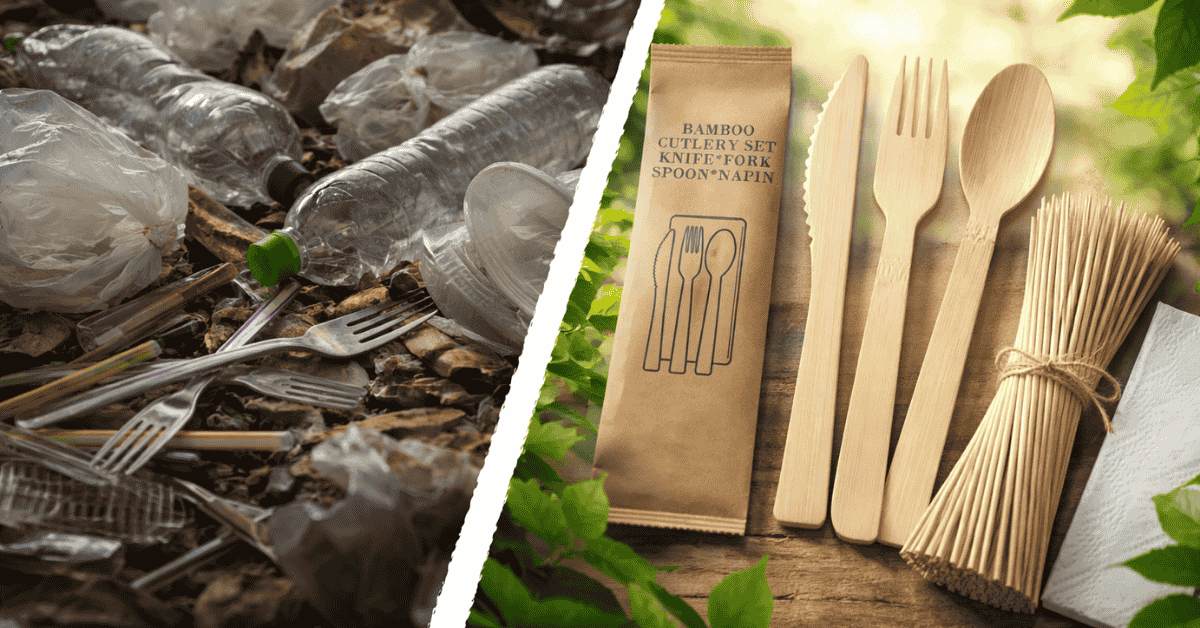
The Strategic Shift You Need to Know
On March 31, the latest industry report emphasized China's intensified focus on the "Bamboo as a Substitute for Plastic" national strategy. This isn't just a local initiative; it is a massive industrial upgrade designed to solidify bamboo's position as the world's premier eco-friendly material. For international distributors and wholesalers, this translates to one critical advantage: A more stable, high-tech, and government-backed supply chain.
1. Policy Support: From Forest to Market
The national strategy isn't just about planting more trees; it's about infrastructure. The government is currently investing in specialized "Bamboo Industrial Parks" that integrate raw material sourcing with high-end manufacturing.
This systemic support ensures that the entire lifecycle of products—from Moso bamboo harvesting to final export—is monitored for sustainability. For the global market, this results in a significant reduction in the carbon footprint of disposable tableware, making it easier for importers to meet strict ESG (Environmental, Social, and Governance) reporting requirements in the EU and North America.
2. Standardization and Quality Assurance
One of the most significant takeaways from the recent strategic update is the push for global standardization. China is working closely with international organizations to develop unified quality metrics for bamboo cutlery and catering supplies.
These new standards focus on:
Physical Safety:
Ensuring smooth, splinter-free surfaces through advanced polishing technologies.Chemical Compliance:
Guaranteeing zero chemical additives during the manufacturing process, aligning with EU SUP Directive and FDA food-contact safety regulations.Durability:
Enhancing the strength of biodegradable bamboo skewers to perform equally to, or better than, traditional plastic.3. The Economic Advantage for Your Sourcing Strategy
As China's industrial scale expands, you can benefit from the reaching tipping point of cost-efficiency. The strategic focus on automated processing lines directly translates into a lower production cost per unit for your orders.
Unlike timber, which takes decades to mature, the 4-year growth cycle of bamboo ensures you have access to a rapid and renewable supply. This high-frequency regeneration, combined with national logistics support, means your business can maintain a resilient supply chain even during periods of global shipping volatility.
Secure Your Competitive Edge in the Green Revolution
By partnering with a manufacturer like QL that is deeply integrated into this national strategy, you gain more than just a supplier—you gain a strategic advantage:
You can rely on high-volume supply that consistently matches the latest global quality standards, thanks to our automated quality control.
You can future-proof your brand by aligning your sourcing with high-standard manufacturing hubs that follow strict sustainable forestry guidelines.
You can confidently meet market demands in Europe or North America, knowing your products are at the forefront of the non-negotiable shift toward a plastic-free world.
Whether you are a distributor or a hospitality group, you can secure your market position by choosing a partner that turns national policy into your commercial success.