How to Prevent Mold and Insect Damage in Bamboo Products
- Share
- publisher
- QL Bamboo
- Issue Time
- Nov 6,2026
Summary
Mold and insect damage in bamboo products comes from four variables: starch, moisture, humidity and time. This guide covers the seven manufacturing and storage controls that hold them in range, from mature bamboo harvesting and steam treatment to a 12%-or-below moisture target, warehouse limits and sealed export packaging.
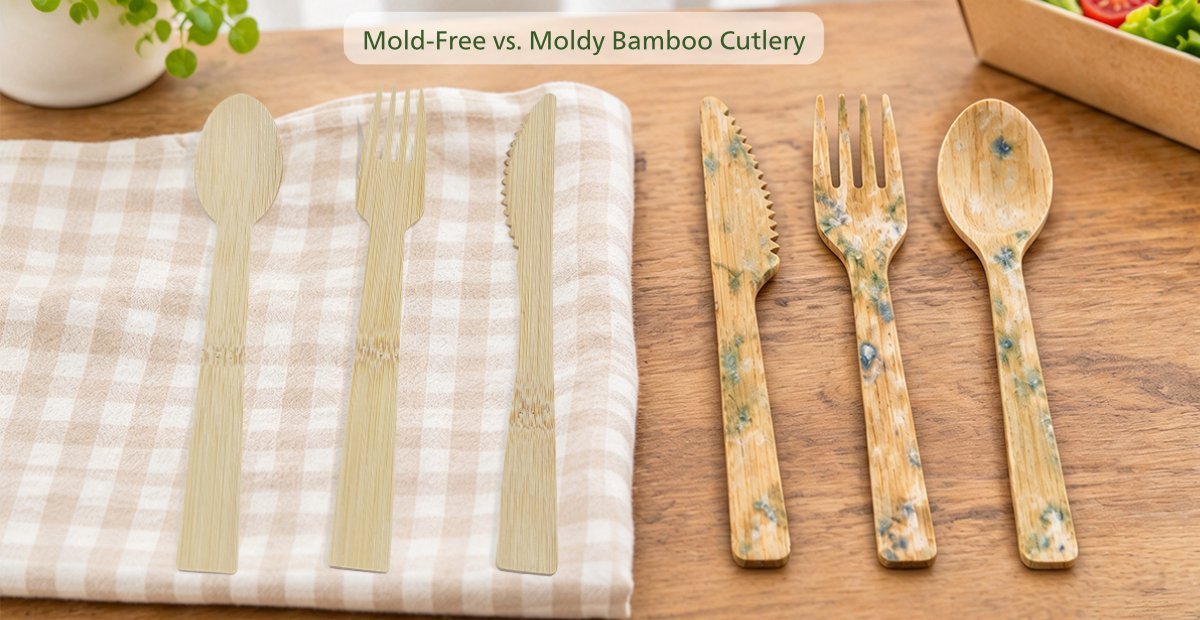
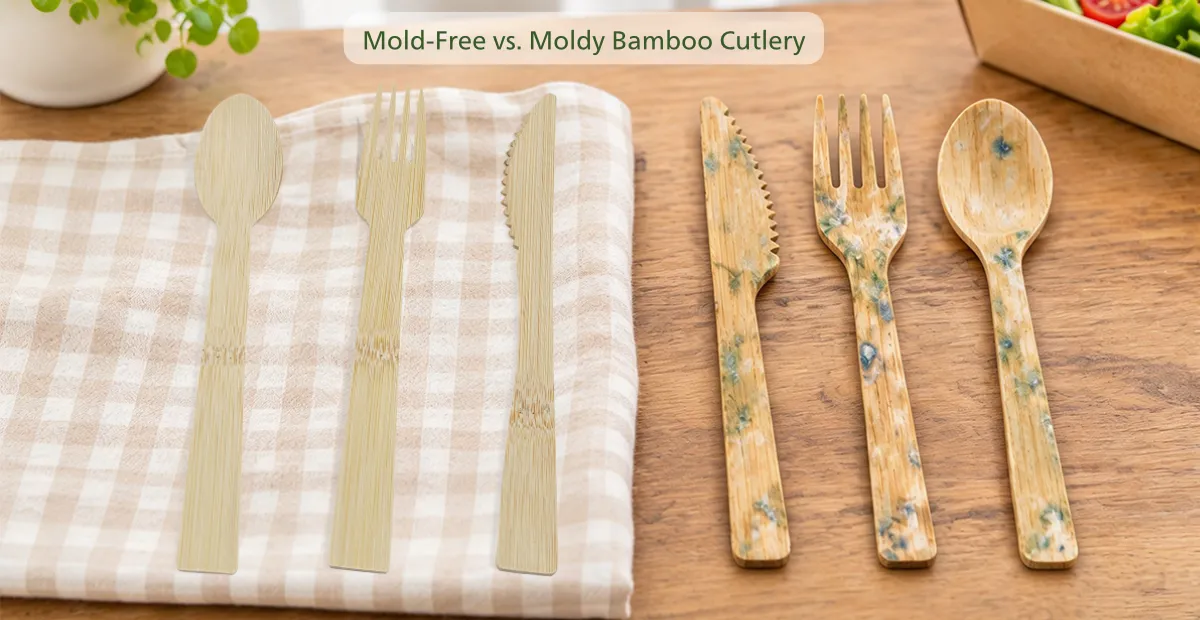
Mold and insect damage in bamboo products is rarely a storage accident. It is the predictable result of four variables — starch left in the fibre, moisture left in the product, humidity around the carton, and time in transit. This guide sets out the seven controls that hold all four in range, and the questions that reveal whether a supplier actually runs them.
Reviewed by the QL Bamboo sourcing team · Last reviewed: November 2026. This guide describes QL Bamboo’s own production and warehouse targets and states plainly where a figure is an internal standard rather than a universal requirement. It does not publish laboratory data for a product that has not been specified — product-specific evidence has to come from the supplier for each order.
Mold and insect damage in bamboo products is prevented by controlling four things at once: starch, moisture, humidity and time. In practice that means mature moso bamboo (older than five years) harvested outside March to mid-July, high-temperature steam treatment to reduce soluble starch and sugar, drying finished products to a target of 12% moisture or below, a warehouse held below 20 °C at around 60% relative humidity or lower, and packaging sealed promptly after drying.
No single step works on its own. Steamed bamboo reabsorbs moisture from the air, correctly dried bamboo still molds inside a humid container, and a sealed carton does not help if the product was packed wet. The seven measures below are a sequence, not a menu.
Key Takeaways
- Starch is the insect problem; moisture is the mold problem. Steam treatment removes the food source, drying removes the water — neither substitutes for the other.
- Mature bamboo carries less risk. QL Bamboo selects moso bamboo older than five years, harvested outside March to mid-July, when moisture and soluble nutrients peak.
- Moisture content decides the outcome. QL’s internal target for finished bamboo products is 12% or below, measured before packing rather than after.
- Storage can undo good drying. Warehouse targets are below 20 °C and around 60% relative humidity, with product on pallets, clear of walls and ventilated.
- Packaging and transit are part of the process. Sealing after drying and container moisture control protect the dryness you already paid for.
Why Are Bamboo Products Prone to Mold and Insect Damage?
Bamboo is a natural material widely used in disposable cutlery, chopsticks, skewers, kitchenware and other foodservice products. Its renewability, appearance and practical strength make it a default choice for manufacturers, distributors, wholesalers and foodservice brands.
Like other natural plant materials, bamboo also contains moisture and organic substances, including starch and soluble sugars. Without appropriate harvesting, processing, drying and storage practice, bamboo products become vulnerable to mold growth and insect damage.
For manufacturers and importers, those failures show up as appearance defects, quality claims, unstable inventory and eventually lost repeat orders — which is why prevention is a production discipline rather than a warehouse preference.
What bamboo actually gives mold and insects
Three conditions have to line up before damage appears: a food source, water, and time at a temperature that suits the organism. Bamboo supplies the first two by nature. The starch and soluble sugars sit inside the fibre, and the material is hygroscopic — it exchanges moisture with the air around it.
Where the fibre is dense and dry and the air around it is dry, nothing happens. Where soluble starch remains and the material picks up moisture, both problems become possible: mold on the surface and in accessible end grain, and bamboo-boring insects feeding on the starch.
Reading the symptoms: what each type of damage points to
Damage that reaches you is diagnostic. The type of failure usually identifies which control was missing, and therefore which question to put to the supplier before the next order.
| What you see | What it usually means | Control that was missing |
|---|---|---|
| White or grey-green fuzz on the surface | Product took up moisture after drying and stayed humid | Drying target, warehouse humidity or carton sealing |
| Musty smell with no visible growth yet | The same cause, earlier — growth has started in the fibre or packaging | Relative humidity in storage and time in stock |
| Live insects, fine dust or small exit holes | Soluble starch stayed available and conditions allowed activity | Steam treatment, raw material maturity and harvest timing |
| Warping, twisting or splitting in store | Moisture content changed after packing — absorption or uneven drying | Drying uniformity and packaging barrier |
| Mold on cartons or outer bags but not on product | Container or transit condensation rather than factory moisture | Container condition, loading practice and desiccants |
Symptom lists identify the likely stage; they do not replace a moisture test on the actual batch or a supplier’s process records.
1. Select Mature Bamboo and Harvest at the Right Time
Prevention starts in the forest, not in the warehouse. Maturity and harvest timing decide how much moisture and soluble starch the raw material arrives with, and both are cheaper to control there than at any later stage.
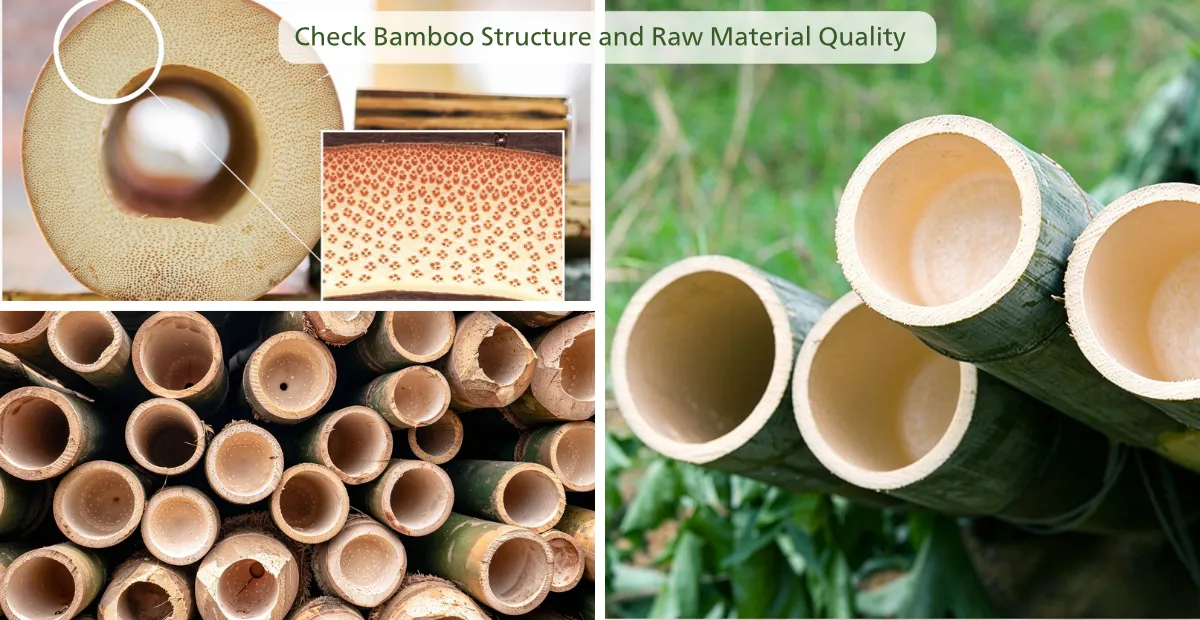
Choose moso bamboo that is more than five years old
QL Bamboo prioritises moso bamboo older than five years for suitable product applications. Compared with younger bamboo, mature culms have a more developed and denser fibre structure, which makes them a suitable raw material for manufactured bamboo products.
Maturity also changes what insects can use. Bamboo contains natural starch and other soluble organic substances that attract certain bamboo-boring insects; selecting mature culms with the right material characteristics reduces the insect risk carried into processing and storage. For a manufacturer, raw material selection is the first step in establishing consistent product quality.
Avoid harvesting from March to mid-July
QL follows a harvesting schedule that avoids March to mid-July, when bamboo shoots emerge and new culms grow fastest. During that window bamboo carries relatively high levels of moisture and soluble nutrients, and newly harvested material with high moisture is more vulnerable to deterioration if handling and processing are not tightly controlled.
Harvesting when growth has slowed gives raw material with more favourable characteristics for processing. This is QL’s raw material management practice, not a universal harvesting rule for every bamboo species and growing region — species and climate both shift the window.
Key takeaway: Moso bamboo older than five years, harvested outside the shoot-growing season, gives a better starting point for controlling both moisture and insect risk.
2. Use Steam Treatment to Reduce Starch and Insect Risks
Steam treatment is the step that removes the insect’s food supply. High-temperature steam drives soluble starch and sugars out of the fibre and, depending on conditions, affects insect eggs and microbial activity. It is a risk-reduction step, not a sterilisation guarantee.
Why bamboo needs steam treatment
Natural bamboo contains starch and soluble sugars that serve as food for certain insects, including bamboo-boring beetles. Left in the material, they keep the risk alive whenever temperature and humidity turn favourable.
Steam treatment exposes bamboo materials to high-temperature steam. Depending on the treatment temperature, duration and processing conditions, the process reduces certain soluble substances and affects insect eggs and microbial activity within the material — which is why it sits at the centre of insect-risk management in bamboo processing.
What happens during steaming
- Bamboo is loaded in batches sized for even steam penetration, not packed to maximise throughput.
- Heat softens the structure and mobilises soluble starch and sugars, which move out of the fibre.
- Temperature and duration are set per product, balancing starch reduction against colour and strength.
- Treated material moves straight to drying — steaming is followed by moisture control, never replaced by it.
Steam treatment also tends to even out bamboo colour, depending on raw material and processing conditions. That is part of why steamed product looks more uniform than unsteamed material.
What steam treatment can and cannot do
It can
Reduce soluble starch and sugars, affect insect eggs and microbial activity under the right conditions, and even out colour across a batch.
It cannot
Make bamboo permanently mold-proof, replace drying, or protect against moisture picked up later in storage and transit. It cannot guarantee that no future infestation occurs.
Even treated bamboo reabsorbs moisture in humid air. That is why steaming has to be followed by drying, sealed packaging and warehouse discipline — the three sections that come next.
Key takeaway: Steam treatment reduces starch-related insect risk and improves the condition of the material before manufacturing. It has to be combined with proper drying, packaging and storage management.
3. Control Moisture Content Through Proper Drying
Moisture content is the strongest single predictor of whether bamboo molds. Bamboo is hygroscopic: it takes moisture from the air and gives it back. When moisture and temperature line up, fungal growth starts on the surface and in accessible end grain, and excess moisture also drives dimensional change, deformation and cracking.
Why moisture content matters
If finished products retain too much moisture, four things follow:
- Mold growth — excess moisture creates the conditions mold needs.
- Insect activity — moisture, together with suitable temperatures, supports it.
- Deformation — swelling and shrinking as moisture content changes.
- Surface deterioration — prolonged exposure affects appearance and quality.
Drying therefore has to finish before packaging, not after. For manufacturers, that makes correct drying the gate between production and storage.
QL’s target: finished moisture at or below 12%
QL Bamboo’s internal moisture-control target for finished bamboo products is 12% or below. Drying reduces the moisture remaining in the product before packaging and storage, which matters most for goods that will cross climates on the way to market: transport and storage expose the same carton to very different conditions.
The 12% figure is QL’s internal target for finished foodservice bamboo products. The appropriate figure varies with product, process and destination, so ask for the target that applies to your own SKU — and for the test method behind it.
A low reading at the factory is not a guarantee
A dry product does not stay dry. Bamboo reabsorbs moisture from humid air, particularly once packaging is opened, damaged or inadequately sealed. Drying is therefore followed by warehouse management and protective packaging rather than being treated as the end of the job.
Key takeaway: Controlling finished bamboo products to 12% moisture or below is one of QL’s key measures for reducing moisture-related risk and improving storage stability — but it only holds if packaging and storage hold it too.
4. Maintain Proper Warehouse Conditions
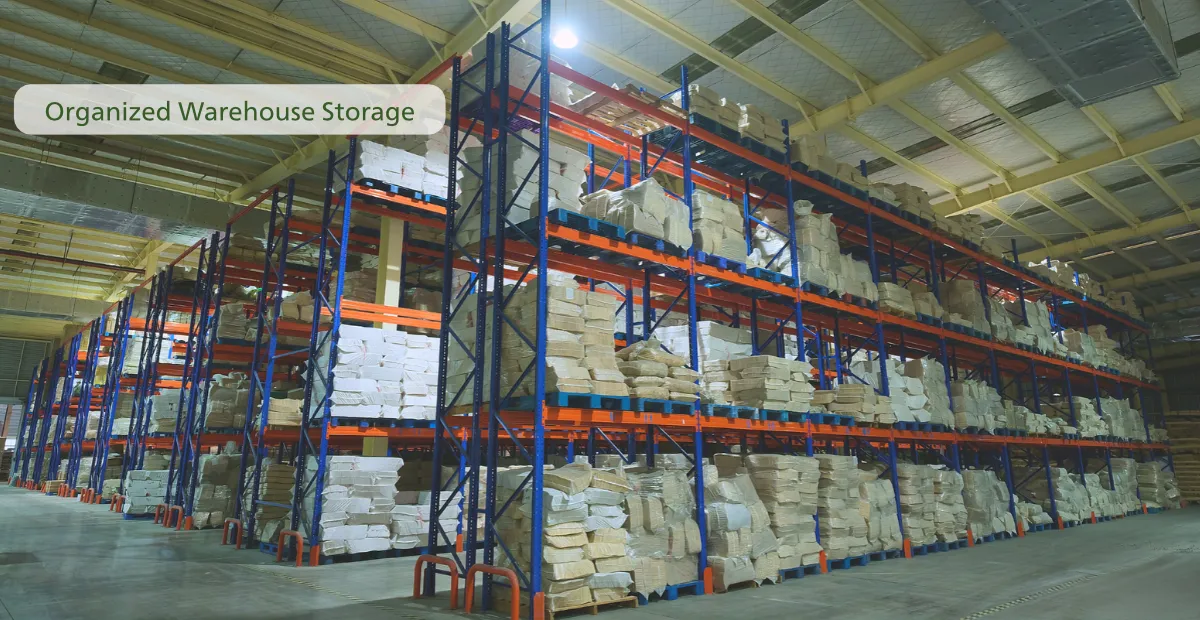
Warehouse control protects the moisture level you paid for at the dryer. Temperature, relative humidity, ventilation and storage practice all decide whether a dry product is still dry when it reaches the container.
Keep warehouse temperature below 20 °C
QL’s warehouse management target is to maintain temperatures below 20 °C. Relatively low temperatures slow microbial activity and insect development.
Temperature alone does not prevent mold or insect problems. Humidity control, cleanliness and ventilation are equally important, and a cool but damp warehouse is worse than a warm dry one.
Keep relative humidity around 60% or lower
QL aims to maintain warehouse relative humidity at around 60% or lower, to reduce the possibility of finished products absorbing moisture. When the surrounding air turns humid, bamboo gradually takes moisture back even after correct drying, so a relatively dry warehouse is what protects the product in storage.
The temperature and humidity figures above describe QL’s warehouse management targets, not universal storage standards for every bamboo product or climate.
Keep the warehouse dry, clean and well ventilated
Beyond the set-points, six practical measures carry most of the weight:
- Floor moisture protection — keep floors dry and apply suitable moisture-proof measures where needed.
- Product placement — pallets or shelves, never directly on the floor, with adequate distance from walls.
- Ventilation — maintain air circulation so humid air does not sit in dead zones.
- Dehumidification — run dehumidifiers through the rainy season and humid spells.
- Regular inspection — check stored product and packaging for moisture accumulation or deterioration.
- Moisture monitoring — sample and test moisture content periodically, not once per batch.
These practices reduce the chance of finished bamboo absorbing moisture again after drying. How QL runs zoning, inventory tracking and handling inside the warehouse is described on the warehousing page.
Key takeaway: Effective bamboo warehouse management combines temperature control, humidity management, ventilation, moisture protection and regular inventory inspection.
5. Protect Bamboo Products During Packaging and Export Shipping
Packaging is what keeps a dry product dry between the factory and the customer’s shelf. Sealing promptly after drying, choosing a barrier that suits the route, and managing container humidity are the three levers — and for bulk international orders they belong in quality management, not in logistics administration.
Seal products promptly after drying
Once drying is complete and the product is ready for packing, it should be packed and sealed promptly. Dried product left exposed to humid air reabsorbs moisture, sometimes within hours during a wet season.
Packaging material and sealing method should follow product characteristics, transport conditions and customer requirements. QL’s packaging system covers inner packing, carton protection and labelling to order specification.
Consider additional treatment when necessary
Depending on customer requirements and intended application, additional microbial-control treatments may be evaluated — UV treatment or irradiation, for example, under appropriate conditions.
These methods differ in operating principle and effectiveness. Suitability depends on product structure, treatment specifications, target microorganisms and validation requirements, and none of them replaces raw material selection, steam treatment, drying and moisture control.
Manage moisture risk during international shipping
Ocean freight exposes bamboo to changing temperatures and humidity. Long transit times, container condition and the climate difference between origin and destination all affect what happens inside the carton. Six practical measures reduce the risk:
- Moisture-resistant packaging selected for the route and the season of shipment.
- Cartons properly sealed and taped, with liner bags where the specification calls for them.
- Product kept dry before container loading — no overnight exposure on an open dock.
- Container condition checked: no leaks, no wet floor, no residue from the previous cargo.
- Desiccants or other moisture-control solutions where shipping conditions require them.
- Packaging integrity checked again before the container doors close.
For importers buying chopsticks, skewers, disposable cutlery and other bamboo products in bulk, packaging is part of the product’s quality record — what was used, how it was sealed, and under what conditions it was loaded.
Key takeaway: Effective packaging maintains the dry condition achieved during manufacturing and reduces moisture exposure during international transportation.
6. Follow Proper Usage and Storage Practices
Prevention does not stop at the factory gate. Distributor warehouses, retail back rooms and foodservice storage all decide whether a good product is still good when someone opens the carton.
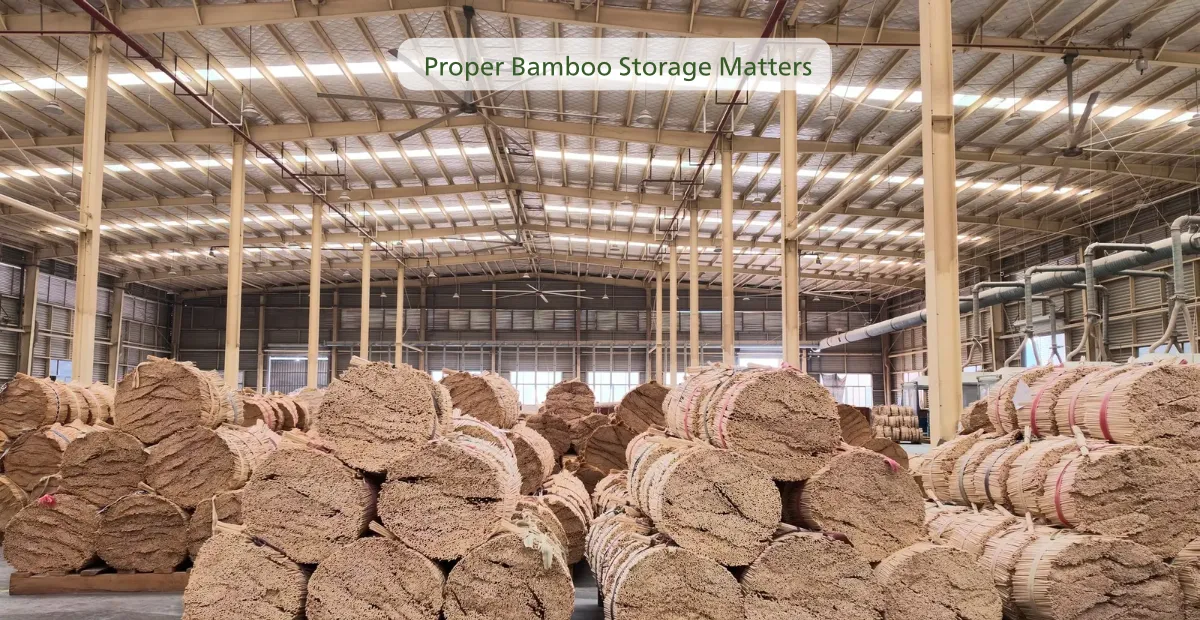
Store bamboo products in a dry environment
Bamboo products should be kept in a clean, dry, well-ventilated area, away from water sources, damp walls and places with persistent condensation.
Keep packaging sealed until use
For bulk disposable bamboo products, leaving the original packaging sealed until needed reduces exposure to ambient moisture. Once a package is opened, unused product should go into a clean, dry store and be resealed properly rather than left in an open carton.
Avoid direct contact with moisture
Do not stack cartons on damp floors or under leaking roofs or pipework. For foodservice items — bamboo chopsticks, skewers and disposable cutlery — dry storage before use is part of the product condition, not just good housekeeping. The handling detail is covered in our guide to storing disposable bamboo utensils.
Understand that storage life depends on the environment
There is no single storage period that applies to every bamboo product. Shelf life and storage stability vary with:
- Bamboo species and raw material characteristics.
- Manufacturing and drying processes.
- Initial moisture content.
- Packaging materials and sealing quality.
- Temperature and relative humidity during storage.
- Transport and handling conditions.
Buyers should follow the supplier’s product-specific storage recommendation and inspect stock periodically — particularly large quantities held for extended periods.
Key takeaway: Proper storage after delivery matters as much as moisture control during manufacturing. Keep bamboo products dry, sealed, and clear of prolonged humidity exposure.
7. How QL Bamboo Controls Moisture and Insect Risk in Manufacturing
None of these controls works alone. At QL Bamboo, moisture and insect-risk management starts with raw material selection and continues through processing, drying, warehouse management and final packaging — as a sequence of checks, each one depending on the one before it.
| Production stage | QL’s control measure | Purpose |
|---|---|---|
| Raw material selection | Prioritise moso bamboo over five years old | Select mature bamboo with suitable material characteristics |
| Harvesting | Avoid March to mid-July | Follow QL’s raw material harvesting management schedule |
| Steam treatment | Apply high-temperature steam processing | Reduce starch and certain soluble substances and manage insect-related risk |
| Drying | Internal finished-product moisture target at or below 12% | Reduce moisture-related mold risk |
| Warehouse management | Temperature below 20 °C; relative humidity around 60% or lower | Reduce moisture absorption and unfavourable storage conditions |
| Packaging | Seal products promptly after drying | Maintain dry conditions through storage and transportation |
These measures work together rather than independently. Selecting mature bamboo provides a suitable material foundation; steam treatment reduces what attracts insects; drying removes moisture; and warehouse management plus sealed packaging stop the product taking moisture back.
From bamboo raw material to finished product
QL Bamboo’s manufacturing runs on its production base in Nanping, Fujian, where bamboo resources and manufacturing sit inside one supply chain. The operation draws on 666+ hectares of company bamboo forest, an 88,600 m² factory with 138+ automatic machines, and a 10,000 m² warehouse with capacity for more than 7,500 pallets.
That closed loop is what makes a moisture target enforceable: the same organisation controls the harvest date, the dryer, the warehouse and the carton. Manufacturing process and quality inspection are described in more detail on the production process and QC system pages.
For international buyers, understanding these measures is a more practical way to judge a bamboo manufacturer than reading a quality claim. Whether you source wholesale bamboo skewers, bamboo chopsticks, disposable bamboo cutlery or other bamboo products, consistent manufacturing and moisture management are what you are really buying from a long-term supplier.
8. What Should Buyers Ask a Bamboo Products Manufacturer About Mold Prevention?
For importers, wholesalers, distributors and foodservice suppliers, evaluating a bamboo manufacturer involves more than checking product appearance and quoted price. How a supplier manages raw material, processing, moisture, storage and packaging is what determines whether the third container matches the first.
These are the five questions that produce a useful answer — and the follow-ups that show whether the answer is a process or a slogan.
How do you select your raw bamboo materials?
Ask about species, maturity, harvesting practice and where the material comes from. A manufacturer should be able to explain how raw material selection supports product quality and downstream processing — not simply that the bamboo is “natural”.
What processing methods do you use to reduce insect risk?
Ask whether the factory applies steam treatment or another appropriate method, and what the treatment is meant to achieve. Understanding purpose and position in the line tells you more than the name of the process.
How do you control finished product moisture content?
Ask about the drying process, the moisture target, and the inspection method used to verify it. Where possible, request the test method and the quality inspection records for a comparable order.
How are finished bamboo products stored before shipment?
Check whether the supplier manages warehouse temperature, relative humidity, ventilation and product placement. Storage practice is what protects the moisture level reached at the dryer.
How do you protect bamboo products during packaging and shipping?
Ask about packaging materials, sealing methods, carton protection and container-loading practice. For bulk international orders, moisture protection in transit is part of supply chain management.
A practical supplier evaluation checklist
| What buyers should check | Why it matters |
|---|---|
| Raw bamboo maturity and sourcing | Helps assess raw material selection |
| Steam treatment and processing methods | Helps understand insect-risk management |
| Moisture-control targets | Helps assess drying management |
| Moisture inspection methods | Provides insight into quality control |
| Warehouse temperature and humidity | Helps evaluate storage conditions |
| Packaging and sealing methods | Helps reduce moisture exposure during shipping |
Buyer tip: a reliable bamboo products manufacturer should be able to explain its raw material selection, processing methods, moisture management and packaging practice clearly. Where available, ask for inspection records and product-specific quality information rather than relying on general quality claims.
Where to verify the requirements behind these questions
Most of the questions above end in a document request. Because bamboo skewers, chopsticks and cutlery are handled with food, moisture and mold control also sits inside the food-contact framework. The public sources below define what those documents have to satisfy — they describe the requirement, not whether a particular supplier meets it.
United States · food contact
Indirect food additive requirements for food-contact articles are set out in 21 CFR Parts 174–178; Part 174 holds the general provisions.
European Union · food contact
Regulation (EC) No 1935/2004 is the general framework. Compliance is demonstrated per material and per intended use, so a document for one article does not cover another.
Germany · LFGB
The Lebensmittel- und Futtermittelgesetzbuch (LFGB) is the national food and feed code. German buyers usually ask for an LFGB declaration alongside the EU framework.
Sourcing and quality system
Chain of custody for bamboo fibre is covered by FSC certification. The inspection records asked for in question 3 are normally an output of a quality management system such as ISO 9001.
Frequently Asked Questions About Bamboo Mold and Insect Prevention
Why do bamboo products get moldy?
Bamboo products develop mold when moisture levels and environmental conditions favour fungal growth. High humidity, insufficient drying, poor ventilation and improper storage are the usual contributors. Even correctly dried bamboo reabsorbs moisture from humid air over time.
How can you prevent mold from growing on bamboo products?
Select suitable raw bamboo, apply steam treatment, dry finished products thoroughly and hold the warehouse below 20 °C at around 60% relative humidity. Keep finished moisture low, store product dry and seal packaging promptly after drying.
Does steam treatment help prevent insects in bamboo?
Yes. Steam treatment reduces the starch and soluble substances that bamboo-boring insects feed on, and high-temperature steam can affect insect eggs and microbial activity depending on treatment conditions. It must still be combined with proper drying and storage management.
What is the ideal moisture content for finished bamboo products?
It depends on the product, the process and the storage conditions it will face. QL Bamboo's internal target for finished bamboo products is 12% moisture or below. A low reading improves storage stability but does not prevent moisture absorption in humid conditions.
How should bamboo products be stored to prevent mold and insects?
Store them in a clean, dry, well-ventilated area, away from damp floors and walls. Keep temperature and humidity within range, leave packaging sealed until use, and inspect stored inventory regularly for moisture or deterioration.
Can bamboo products develop mold during international shipping?
Yes. Bamboo can absorb moisture in transit when packaging is inadequate or container conditions are humid. Drying before shipment, prompt sealing, suitable packaging materials and container moisture control reduce that risk.
Does steam treatment completely prevent insect infestation in bamboo?
No. Steam treatment reduces starch-related insect risk and can affect insect eggs under suitable conditions, but it cannot guarantee protection against later infestation. Raw material selection, drying, packaging and warehouse management remain necessary.
Can bamboo products develop mold after being properly dried?
Yes. Correctly dried bamboo can still mold if it is exposed to high humidity or takes up moisture during storage and transport. Suitable warehouse conditions, intact packaging and sealed storage until use reduce the risk.
Conclusion: Bamboo Protection Is a Sequence, Not a Single Treatment
Preventing mold and insect damage in bamboo products takes more than keeping finished goods dry. It starts with mature raw bamboo harvested at the right time; steam treatment then reduces what insects feed on, drying removes the moisture, and warehouse conditions plus protective packaging keep the product in that state through storage and transport.
- Raw material — moso bamboo over five years old, harvested outside March to mid-July.
- Processing — high-temperature steam treatment to reduce soluble starch and sugar.
- Drying — finished moisture at or below 12%, verified before packing.
- Storage — below 20 °C, around 60% relative humidity, on pallets, ventilated, inspected.
- Packaging and transit — sealed promptly, moisture-resistant, container humidity managed.
For importers, distributors, wholesalers and foodservice buyers, understanding these practices is the practical way to evaluate a bamboo product supplier: not by the claim on the website, but by which of the five stages the supplier can describe in its own words.
Looking for a bamboo products manufacturer that understands raw material selection, moisture control and bulk order requirements? Tell us the product, the specification and the destination market, and we will tell you which moisture target and packaging approach applies to that SKU.
QL Bamboo supplies bamboo skewers, chopsticks, cutlery, toothpicks, stirrers and food picks for wholesale, OEM and private-label programmes. Send the specification — length, diameter, packaging, destination — and we will answer against it rather than against a category.